





Reviewed by the editorial team | Last updated: October 2026 | Not investment advice — consult a licensed financial advisor before making retirement account decisions.
A Gold IRA delivers measurable portfolio protection: gold maintained near-zero correlation (-0.03) with the S&P 500 from 1990–2023, appreciated 571% from 2000–2020 while the U.S. dollar lost 36% of real value, and provides identical IRS tax advantages to traditional or Roth IRAs. This guide breaks down the verified tax, diversification, and inflation-protection benefits of a Gold IRA, referencing IRS Publication 590-A/590-B, World Gold Council return data, and current IRS contribution limits and RMD rules for 2026.
What Is a Gold IRA?
A Gold IRA is a self-directed individual retirement account that holds IRS-approved physical gold (.995+ fineness) instead of stocks or mutual funds, offering tax advantages identical to traditional or Roth IRAs. Unlike standard brokerage IRAs, a Gold IRA requires a specialized custodian, IRS-approved precious metals, and secure storage at an IRS-approved depository.
Traditional Gold IRA vs. Roth Gold IRA vs. SEP Gold IRA
- Traditional Gold IRA: Fund with pre-tax dollars, reducing taxable income today. Withdrawals taxed as ordinary income. Required minimum distributions (RMDs) begin at age 73 under the SECURE 2.0 Act. 2026 contribution limit: $7,000/year ($8,000 if age 50+, per IRS Publication 590-A).
- Roth Gold IRA: Fund with after-tax dollars. Qualified withdrawals in retirement are tax-free. No RMDs during the owner's lifetime, making Roth Gold IRAs ideal for estate planning and long-term tax-free growth.
- SEP Gold IRA: Designed for self-employed individuals and small business owners. Allows contributions up to 25% of compensation or $69,000 (2026 limit), significantly exceeding traditional IRA limits while maintaining self-directed flexibility for physical precious metals.
Whether you choose a Traditional or Roth Gold IRA, the same IRS rules on contribution limits, qualified withdrawals, and eligible metals apply. The primary difference is when you pay taxes: upfront (Roth) or at withdrawal (Traditional).
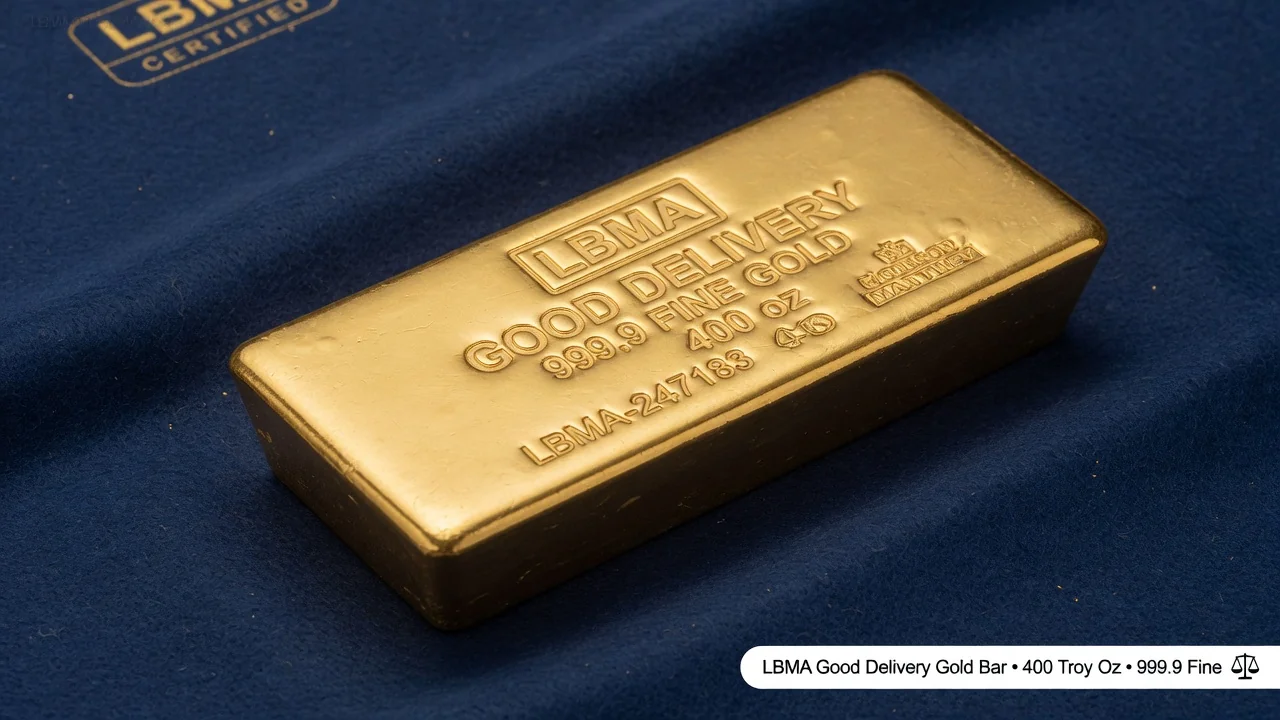
7 Verified Benefits of a Gold IRA (With Data)
1. Portfolio Diversification With Near-Zero Stock Correlation
Physical gold diversifies a retirement portfolio by maintaining near-zero correlation (-0.03) with S&P 500 returns over a 30-year period (World Gold Council, 1990–2023), reducing overall drawdown risk. During the 2008 financial crisis, the S&P 500 fell 37% while gold gained 5.5%. During the 2020 COVID crash, gold rose 25% as equities plummeted. This counter-cyclical behavior makes gold one of the most effective diversifiers available inside a tax-advantaged retirement account.
2. Historically Validated Inflation Hedge
Gold averaged a 14.9% annual gain during the five highest U.S. inflation years since 1972 (World Gold Council, 2024), outperforming the S&P 500 in four of those five years. Gold actively preserves purchasing power during currency debasement: from 2000–2020, gold appreciated 571% while the U.S. dollar lost approximately 36% of its real value (Federal Reserve, BLS CPI data), functioning as an autonomous store of value independent of central bank policy.
3. Tax-Advantaged Growth (Traditional or Roth)
A Gold IRA offers the same IRS tax advantages as any IRA — tax-deferred growth (Traditional) or tax-free withdrawals (Roth) — with 2026 contribution limits of $7,000 ($8,000 for investors age 50+, per IRS Publication 590-A). Traditional Gold IRA contributions may reduce current taxable income, while Roth Gold IRA withdrawals are completely tax-free in retirement when distribution rules are met.
4. Tangible Asset With Zero Counterparty Risk
Unlike gold ETFs or mining stocks, a physical Gold IRA eliminates counterparty risk — you own allocated metal in an IRS-approved depository, not a paper promise. Physical gold has no issuer default risk and cannot be printed. With approximately 212,000 metric tons ever mined globally, gold's finite supply anchors its value when fiat currency weakens.
5. Crisis Performance Track Record
Gold gained 25% during the 2020 market crash, 5.5% during the 2008 financial crisis, and 12.5% during the 2001 dot-com bust while equities suffered steep losses. Gold actively protects retirement purchasing power during systemic financial stress, making it a proven crisis performer within a diversified portfolio.
6. 401(k) Rollover and IRA Rollover Flexibility
A Gold IRA accepts funding through two IRS-sanctioned paths: (1) a direct custodian-to-custodian rollover from a 401(k), 403(b), TSP, or existing IRA — tax-free and penalty-free — or (2) a trustee-to-trustee IRA transfer. Direct rollovers incur no taxes or penalties when processed correctly through a qualified custodian.
7. Dollar-Cost Averaging Into Physical Gold
A Gold IRA enables systematic dollar-cost averaging — each annual $7,000–$8,000 contribution (IRS Publication 590-A, 2026 limits) purchases physical gold at that year's spot price, smoothing cost basis over time and reducing the impact of short-term price volatility.
How to Open a Gold IRA: 5-Step Process With IRS Timelines
A Gold IRA funds through two IRS-sanctioned paths: (1) a direct custodian-to-custodian rollover from a 401(k), 403(b), or TSP — completed tax-free with no 60-day risk — or (2) a trustee-to-trustee IRA transfer. New annual contributions within IRS limits ($7,000/$8,000 for 2026) are also accepted. The process requires selecting an IRS-approved custodian, purchasing eligible metals, and arranging IRS-compliant depository storage.
- Step 1 — Choose a qualified custodian: Select a custodian experienced with self-directed Gold IRAs. Verify transparent fee disclosure (setup fee, annual custodian fee, storage fee), IRS compliance history, and IRS-approved depository partnerships.
- Step 2 — Open your self-directed IRA account: Complete the custodian's application. Typical setup takes 1–3 business days. Setup fees typically range from $50–$100.
- Step 3 — Fund via direct rollover or contribution: Initiate a direct rollover from your 401(k), 403(b), TSP, or existing IRA. Direct transfers are tax-free and penalty-free. New contributions must stay within 2026 limits: $7,000/year ($8,000 if age 50+).
- Step 4 — Select IRS-approved precious metals: IRS rules require gold to meet minimum fineness of .995 (American Eagle coins are an approved exception at .9167 fine). Popular choices include American Gold Eagle coins, Canadian Gold Maple Leaf coins, and COMEX-approved gold bars. Numismatic (collectible) coins are excluded.
- Step 5 — Secure storage at an IRS-approved depository: Choose between segregated storage (your metals stored separately, $50–$100 premium) or allocated storage (pooled but tracked). Annual storage fees typically range from $100–$300. Insurance is included at most approved depositories.
Gold IRA Tax Advantages: 2026 Contribution Limits and RMD Rules
A Gold IRA offers the same IRS tax advantages as any IRA — deferred growth (Traditional) or tax-free withdrawals (Roth) — with 2026 contribution limits of $7,000 ($8,000 for investors age 50+, per IRS Publication 590-A). Whether you choose a Traditional or Roth Gold IRA, the primary difference is timing: pay taxes upfront (Roth) or at withdrawal (Traditional).
Traditional Gold IRA: Pre-Tax Contributions
Fund with pre-tax dollars to reduce current taxable income. Contributions grow tax-deferred until withdrawal. Distributions in retirement are taxed as ordinary income. Under the SECURE 2.0 Act, required minimum distributions (RMDs) must begin at age 73. Early withdrawals before age 59½ trigger a 10% penalty plus ordinary income tax (per IRS Publication 590-B).
Roth Gold IRA: Tax-Free Retirement Withdrawals
Fund with after-tax dollars. Qualified withdrawals in retirement are completely tax-free when IRS conditions are met (account held 5+ years, age 59½+). Roth Gold IRAs have no RMDs during the owner's lifetime, making them ideal for estate planning and maximizing long-term tax-free growth on precious metals.
401(k) Rollover and IRA Rollover Mechanics
A direct rollover transfers funds from your existing 401(k) or IRA directly to your Gold IRA custodian — no taxes, no penalties. An indirect rollover gives you 60 days to redeposit funds; missing this deadline triggers the 10% early withdrawal penalty plus income tax on the full amount. Always choose a direct rollover to avoid complications. Per IRS Publication 590-A, you are limited to one indirect rollover per 12-month period.
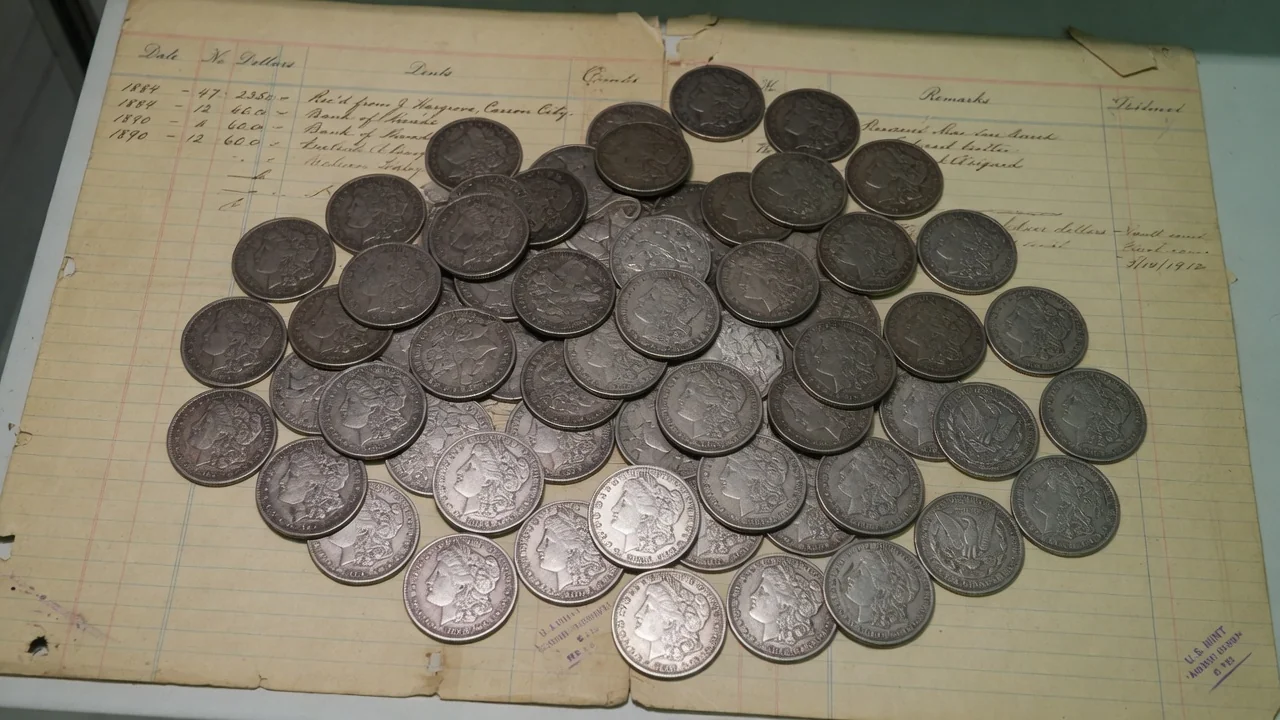
IRS-Approved Precious Metals: Fineness Requirements and Eligible Coins
The IRS prohibits collectibles, numismatic coins, and metals below minimum fineness from Gold IRAs — non-compliance triggers the 10% early withdrawal penalty plus ordinary income tax. Only metals meeting strict purity standards qualify for IRA inclusion.
Minimum Fineness Requirements by Metal
Gold: .995 fineness minimum (American Eagle exception: .9167). Silver: .999 fineness minimum. Platinum: .9995 fineness minimum. Palladium: .9995 fineness minimum. All metals must be produced by a COMEX or NYMEX-approved refiner or national government mint.
Popular IRS-Approved Gold Coins and Bars
- American Gold Eagle (1 oz, 1/2 oz, 1/4 oz, 1/10 oz) — the only gold coin approved below .995 fineness (.9167 fine, 22-karat)
- Canadian Gold Maple Leaf (.9999 fine, 24-karat) — one of the purest gold coins available
- American Gold Buffalo (.9999 fine, 24-karat)
- Austrian Gold Philharmonic (.9999 fine, 24-karat)
- COMEX-approved gold bars from refiners like PAMP Suisse, Credit Suisse, and Valcambi (.9999 fine)
- Numismatic coins, collectible coins, and pre-1933 gold coins are NOT eligible for Gold IRAs
Gold IRA vs. Gold ETF: Which Belongs in Your Retirement Account?
Unlike gold ETFs or mining stocks, a physical Gold IRA eliminates counterparty risk — you own allocated metal in an IRS-approved depository, not a paper promise backed by a financial institution.
Gold IRA vs. Gold ETF Comparison
| Attribute | Physical Gold IRA | Gold ETF (e.g., GLD, IAU) |
|---|---|---|
| Ownership | Allocated physical bullion in IRS-approved depository | Shares representing trust holdings |
| Counterparty risk | None — direct metal ownership | Trustee, custodian bank, authorized participants |
| Annual fees | $175–$300 custodian + storage | 0.17%–0.40% expense ratio |
| IRS eligibility | Yes (if .995 fine, approved forms) | Yes, but taxed as collectibles (28% LTCG max) in taxable accounts |
| Liquidity | 2–5 business days via custodian buyback | Intraday on exchange |
| Physical redemption | Yes (upon distribution) | Generally no |
| Best for | Long-term retirement allocation with tax advantages | Short-term trading or taxable account exposure |
Gold IRA Fees: Complete Cost Breakdown for 2026
Gold IRA fees typically total $250–$700/year (setup + custodian + storage), which can erode returns on small balances — understand all costs before opening an account. Transparent fee awareness is critical to capturing the full benefits of Gold IRA investing.
Typical Gold IRA Fee Structure
- Account setup fee: $50–$100 (one-time, often waived for larger accounts)
- Annual custodian/administration fee: $75–$300 per year (varies by custodian and account size)
- Annual storage fee: $100–$300 per year for segregated storage; $50–$150 for allocated/commingled storage
- Wire transfer fee: $25–$50 per transfer
- Buy/sell spread (bid-ask spread): 3%–8% above spot price on purchases; varies by dealer and product
Hidden Costs to Watch
Beyond posted fees, watch for dealer markups above spot price (the bid-ask spread), which can range from 3–8% depending on the product. American Gold Eagles typically carry lower premiums than fractional coins. Always compare the total cost of ownership — not just the annual custodian fee — when evaluating Gold IRA providers.

Gold IRA Risks and Disadvantages: The Complete Picture
Gold IRA risks include price volatility, higher annual fees than stock IRAs, illiquidity (metals must be sold, not withdrawn physically before age 59½ without penalty), and storage complexity. A balanced assessment of benefits and risks is essential.
- No yield: Gold produces no dividends, interest, or income. Returns come solely from price appreciation.
- Higher annual fees: $250–$700/year vs. near-zero for index fund IRAs. Fees can significantly erode returns on accounts under $25,000.
- Price volatility: Gold can drop 20%+ during corrections. From 2011–2015, gold fell from $1,900 to $1,050 per ounce — a 45% decline.
- Illiquidity vs. stocks: Selling physical metals takes 2–5 business days through your custodian, compared to instant execution for stocks and ETFs.
- IRS compliance complexity: Metals must be stored at an IRS-approved depository. Home storage violates IRS rules and triggers the 10% early withdrawal penalty.
- Concentration risk: Most financial advisors recommend 5–15% of portfolio in precious metals, not a core holding. Over-allocation increases portfolio risk.
- Opportunity cost: Historical annualized gold return of approximately 5.5% vs. approximately 10% for the S&P 500 over multi-decade periods.
Gold IRA vs. Traditional IRA: Side-by-Side Comparison
Understanding how a Gold IRA compares to a traditional stock/bond IRA helps you determine the right allocation for your retirement strategy.
- Assets held: Gold IRA = physical gold, silver, platinum, palladium. Traditional IRA = stocks, bonds, mutual funds, ETFs.
- Annual fees: Gold IRA = $250–$700. Traditional IRA = $0–50 at most brokerages.
- Inflation protection: Gold IRA = historically validated hedge (gold +571% from 2000–2020). Traditional IRA = depends on asset allocation.
- Counterparty risk: Gold IRA = none (physical ownership). Traditional IRA = market, issuer, and brokerage risk.
- Liquidity: Gold IRA = 2–5 days. Traditional IRA = instant for publicly traded securities.
- Income generation: Gold IRA = none. Traditional IRA = dividends, interest, distributions.
- Contribution limits: Both = $7,000/year ($8,000 if 50+) for 2026.
- RMD rules: Both Traditional types = RMDs at age 73. Roth versions = no RMDs during owner's lifetime.
- Recommended allocation: Most advisors suggest 5–15% in Gold IRA, with the remainder in diversified stock/bond IRA.
IRS Rules for Gold IRA Compliance (2026)
The IRS prohibits collectibles, numismatic coins, and metals below minimum fineness from Gold IRAs — non-compliance triggers the 10% early withdrawal penalty plus ordinary income tax. Understanding IRS rules protects your retirement assets from costly mistakes.
- Fineness requirements: Gold .995+, Silver .999+, Platinum .9995+, Palladium .9995+ (American Eagle exception applies)
- Storage: Physical metals MUST be held at an IRS-approved depository. Home storage is prohibited and treated as a taxable distribution.
- Custodian requirement: A qualified custodian (bank, trust company, or IRS-approved entity) must administer the account.
- Contribution limits (2026): $7,000/year under age 50; $8,000/year age 50+ (IRS Publication 590-A)
- RMD rules: Traditional Gold IRA holders must begin required minimum distributions at age 73 (SECURE 2.0 Act). Roth Gold IRAs have no RMDs during the owner's lifetime.
- Early withdrawal penalty: Distributions before age 59½ incur a 10% penalty plus ordinary income tax (IRS Publication 590-B)
- Prohibited transactions: Self-dealing, personal use of IRA metals, and transactions with disqualified persons violate IRS rules and can disqualify the entire account.
How to Open a Self-Directed Gold IRA (Step-by-Step)
Opening a self-directed Gold IRA takes 1–3 business days with a qualified custodian. Follow these steps to ensure IRS compliance and maximize the benefits of Gold IRA investing:
1. Research and Select a Gold IRA Company
Compare custodians on fee transparency (setup, annual, and storage fees), BBB rating, customer review scores, IRS-approved depository partnerships, and educational resources. Top-rated companies include Augusta Precious Metals, Goldco, and Birch Gold Group.
2. Open Your Self-Directed IRA Account
Complete the custodian's application online or by phone. You will select your account type (Traditional, Roth, or SEP Gold IRA) based on your tax situation and retirement goals. Setup typically completes in 1–3 business days.
3. Fund Your Account via 401(k) Rollover or Contribution
Initiate a direct 401(k) rollover, direct IRA transfer, or make a new contribution within 2026 limits ($7,000/$8,000). Direct rollovers are tax-free and penalty-free. Avoid indirect rollovers when possible to eliminate the 60-day redeposit risk.
4. Select IRS-Approved Precious Metals
Work with your specialist to choose IRS-eligible gold (.995+ fineness), silver (.999+), platinum (.9995+), or palladium (.9995+). Popular options include American Gold Eagles, Canadian Maple Leafs, American Gold Buffalos, and COMEX-approved bars. Avoid numismatic coins.
5. Metals Ship to IRS-Approved Depository
Your custodian arranges insured shipment to an IRS-approved depository (e.g., Delaware Depository, Brink's). Choose between segregated storage (your metals stored separately) or allocated storage. Annual storage fees typically range $100–$300.